Penn State
Earned a self-designed Bachelor of Arts degree focused on the legal and public-policy questions surrounding cannabis reform.
Meet the candidate
Alan Gordon brings rigorous legal study, more than a decade of constitutional advocacy, and a personal understanding of how government power affects ordinary people.
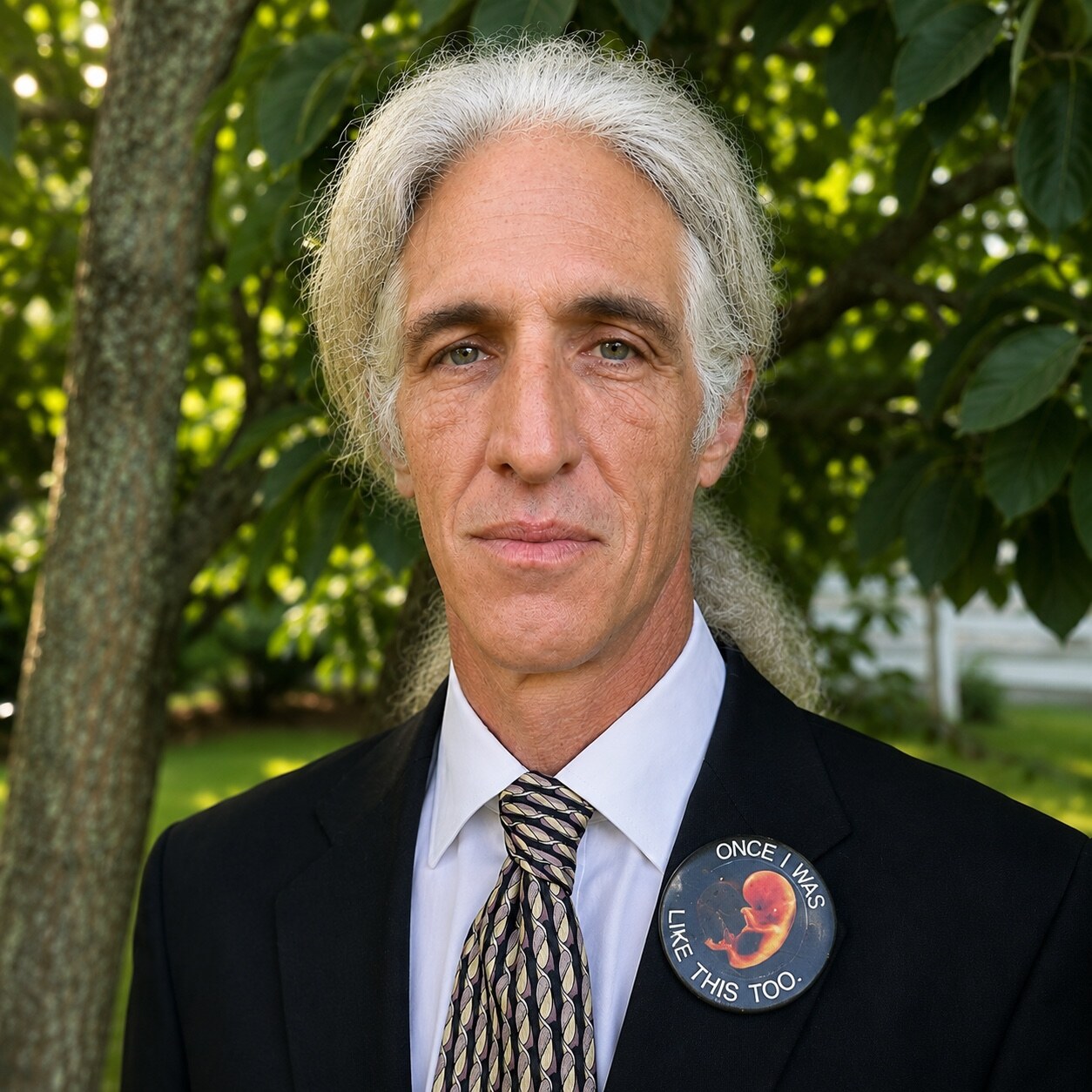
Why he is running
For years, Alan studied public law and constitutional rights. Then he experienced the criminal justice system personally—representing himself through prosecutions that he and Campaign Manager Rev. Dr. Anne Armstrong describe as politically motivated and retaliatory.
Between 2015 and 2026, the criminal cases brought against them during that period ultimately concluded in their favor. The experience convinced Alan that people without legal training, money, or political connections need an Attorney General who will insist upon one standard of justice.
The office should never be a weapon for one party, one institution, or one favored class.
Education and experience
Alan’s preparation combines formal legal study, independent advocacy, ecclesiastical service, and direct experience navigating the courts.
Earned a self-designed Bachelor of Arts degree focused on the legal and public-policy questions surrounding cannabis reform.
Earned an accelerated Honors LL.B. in England, graduating at the top of his class in Criminology and Criminal Justice.
Passed all twelve England and Wales Bar examinations on his first attempt and earned First Class marks in Legal Ethics.
Has provided private legal guidance to historic Christian organizations in matters of ecclesiastical law and governance.
Independent by choice
Alan’s decision was deliberate. He wanted to preserve his independence to challenge and seek reform of even the powerful institutions that regulate the legal profession.
The Rhode Island Constitution requires a civil officeholder to be a qualified elector. The Secretary of State’s published eligibility requirements for Attorney General list age, residency, and citizenship—and do not add Bar membership as a qualification.
He does not represent himself as an attorney admitted to practice in Rhode Island. His candidacy instead rests on his legal education, advocacy, firsthand courtroom experience, and his belief that public authority must remain answerable to the people.
A different kind of legal service
Alan’s work has centered on private ecclesiastical matters rather than conventional commercial legal practice.
Served as a private ecclesiastical legal advisor to the late Bishop in Atlanta and Jamaica-in-Exile.
Provided private ecclesiastical legal guidance to the Secretary of the historic Bermuda lodge.
Serves as a private ecclesiastical legal advisor to the Matriarch.
Experience from both sides
Alan’s experiences include incarceration in Georgia and periods of detention in Pennsylvania and Rhode Island for cannabis-related offenses—conduct that, in many circumstances, is now legal or decriminalized.
Those experiences strengthened his commitment to constitutional rights, transparent government, and equal treatment for people who lack status or influence.
Alan’s commitment
The Attorney General’s client is the State of Rhode Island. The office’s duty is to the Constitution, the law, and the people—not to a political party or a protected institution.